Vegetarian, vegan and halal answer different questions
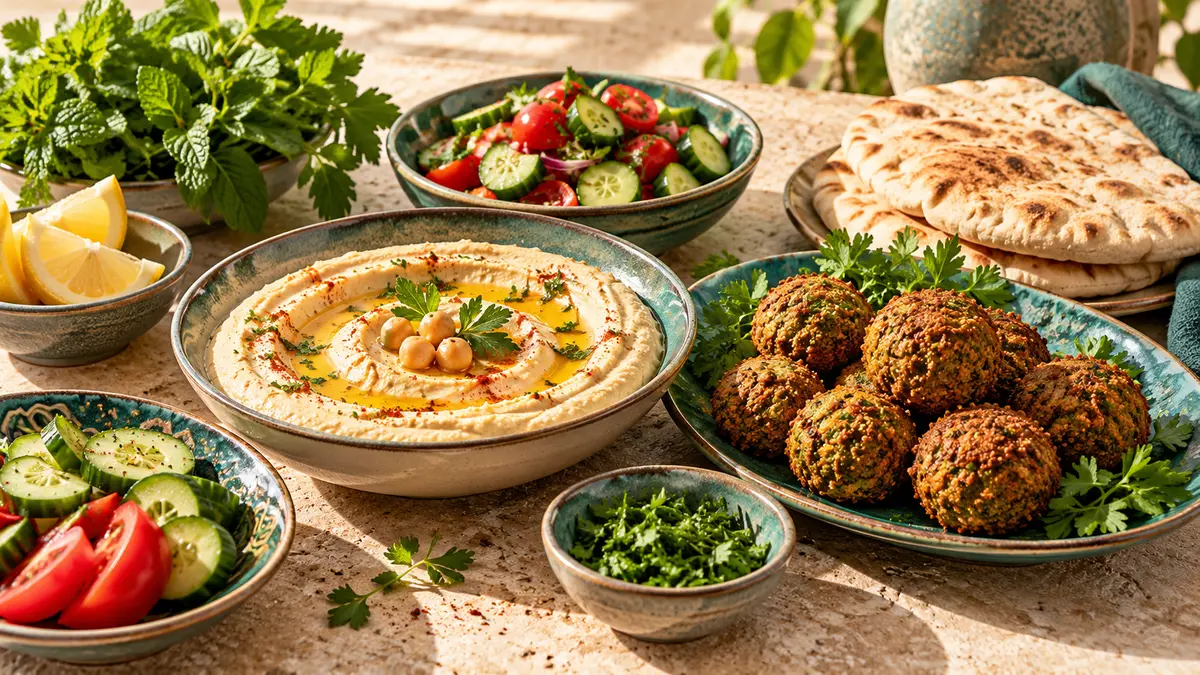
Vegetarian menus generally exclude meat, though the treatment of eggs, dairy and other ingredients varies. Vegan descriptions generally exclude animal-derived ingredients, but definitions and claims should still be checked with the seller. Halal considers ingredients and preparation in a religious framework. A dish can therefore be vegetarian and halal, vegetarian but not suitable for a particular halal standard, or halal without being vegetarian.
These are not competing labels. A diner may need a meal that is both halal and vegetarian, while another needs halal food that is also dairy-free. Begin by writing down all requirements rather than asking a restaurant for a single label and assuming it covers everything.
Certification is one kind of evidence
For a Singapore restaurant, the MUIS establishment directory helps you check the exact business and location. For a packaged Singapore product, use the MUIS product search where applicable. An establishment’s vegetarian branding or a green icon on a menu is not a MUIS certificate.
A food without certification is not automatically non-halal. It means the certificate is not available as the basis for your decision. You may ask the operator about ingredients and preparation, consult a trusted religious authority if you need guidance, or choose a certified alternative. Be clear whether you are reporting a verified certificate or a seller’s own explanation.

Alcohol, flavouring and assumptions
Alcoholic beverages are not halal, and restaurant sauces or desserts can include wine or liqueur. Check the particular recipe rather than assuming a vegetarian main or dessert is alcohol-free. A sauce can vary across outlets and recipes; the same dish name does not guarantee identical ingredients.
Do not turn this into a rule that every flavouring is prohibited. MUIS’s ethanol fatwa discusses a specific use of ethanol as a solvent in flavourings, with conditions about source and limits. It is not a blanket ruling on every product or a substitute for checking the final item. Ask the provider or certifier when the information is unclear.
Look beyond the main ingredient
Ask what goes into stocks, sauces, desserts and toppings. A vegetarian soup may still need its stock checked; a dessert could contain gelatin or flavourings; a sauce may have ingredients not obvious from the menu. MUIS identifies lecithin as an example of an ingredient that can come from plant or animal sources. The name alone does not settle its origin.
For a packaged item, check the exact variant and manufacturer. For a restaurant, ask the staff member who can speak to the recipe used that day. Ask open, specific questions: “What is the stock made from?” and “Is wine or a wine-based sauce used?” are more useful than assuming a familiar cuisine has one universal recipe.
One useful guide to halal food and Muslim life in Singapore, free every Friday.
Ask how the food is prepared
The ingredient list and preparation environment are separate checks. Ask whether a grill, fryer, pan or utensils are shared with non-halal foods and what the cleaning arrangements are. MUIS’s consumer guidance describes separation and the avoidance of cross-mixing as part of the processed-food conditions it outlines.
The answer depends on the actual kitchen and situation. A shared kitchen is not something a distant article can assess from a menu description. If staff cannot establish the information you require, say so honestly and select another option. A respectful question is more productive than assuming the operator understands every diner’s needs.
A worked group-order example
Imagine a team lunch for eight: five people request halal food, two need vegetarian meals and one has a serious nut allergy. Choose a verified halal supplier first if that is the group’s agreed standard, then ask which individual dishes are vegetarian and whether the provider can manage the nut allergy. Do not infer that all vegetarian items are free of nuts or dairy.
Record the dish, supplier’s exact outlet, certification check date and allergy confirmation. Give each special meal a clear label and avoid exchanging utensils at service. If the provider cannot safely accommodate the allergy, arrange a separate suitable meal after discussing it with the diner.
Ordering a plant-based meal at a mixed-menu restaurant
Start with the actual outlet and certification status. Next ask about hidden ingredients, alcohol in sauces and preparation equipment. If an answer is vague, ask who can check the recipe or supplier. For a time-sensitive group meal, call before ordering rather than holding up the queue while staff search for information.
Be especially careful with “no meat” or “plant-based” descriptions, which may not describe stock, cooking medium, cross-contact or alcohol. At the same time, do not accuse a restaurant of a problem merely because a detail is not displayed. Your goal is a clear, current answer about the meal you intend to eat.
A simple decision checklist
Write down whether you need MUIS certification, vegetarian or vegan food, and any medical allergy restriction. Verify the exact establishment or product. Ask about the recipe, sauces and preparation. Confirm the allergen question independently, and record who answered for a group order.
If you cannot resolve a question, call the issuer, retailer or provider, consult MUIS’s consumer guidance for general principles, and make the choice that fits your needs. Honest uncertainty is better than treating a label as a universal guarantee.
Sources and further reading
Sources were checked on 28 October 2026. Certification, menus, food safety guidance and airline policies may change; verify the exact product, premises or journey before relying on this guide.